

Ophthalmologist Image

Expert Ophthalmologist | Eye Care, Exams & Vision Treatment

An Ophthalmologist is a medical doctor who specializes in eye and vision care. Unlike regular eye care providers, an ophthalmologist is trained to perform comprehensive eye exams, diagnose complex eye diseases, prescribe treatments, and carry out surgeries such as cataract removal or glaucoma procedures. With years of medical education and advanced training, ophthalmologists provide both routine vision services and specialized care for serious conditions.

For anyone dealing with vision problems, unexplained eye pain, or diseases like macular degeneration and diabetic eye complications, an ophthalmologist is the right specialist to consult. Their role is vital in protecting eyesight, preventing vision loss, and ensuring long-term eye health.

Made in USA
FDA Approved
100% Natural
Ophthalmologist

Who Is an Ophthalmologist?

An Ophthalmologist is a highly trained medical doctor who specializes in eye and vision care. They complete medical school, followed by years of advanced training in diagnosing, treating, and preventing eye conditions. Unlike other eye care professionals, an ophthalmologist can provide a full range of services—routine eye exams, prescribing glasses or contact lenses, treating infections, managing chronic diseases like glaucoma, and performing delicate eye surgeries.

The role of an ophthalmologist goes beyond basic vision correction. They are skilled in identifying serious eye problems that may be linked to overall health conditions such as diabetes, hypertension, or autoimmune diseases. Some ophthalmologists choose to focus on specific areas like pediatric eye care, neuro-ophthalmology, or retinal diseases, allowing them to provide even more specialized treatment.

In simple terms, if you are facing common vision issues, sudden changes in eyesight, or need surgical care for your eyes, an ophthalmologist is the expert who can guide you. Their in-depth knowledge and advanced medical skills make them essential in protecting vision and maintaining long-term eye health.
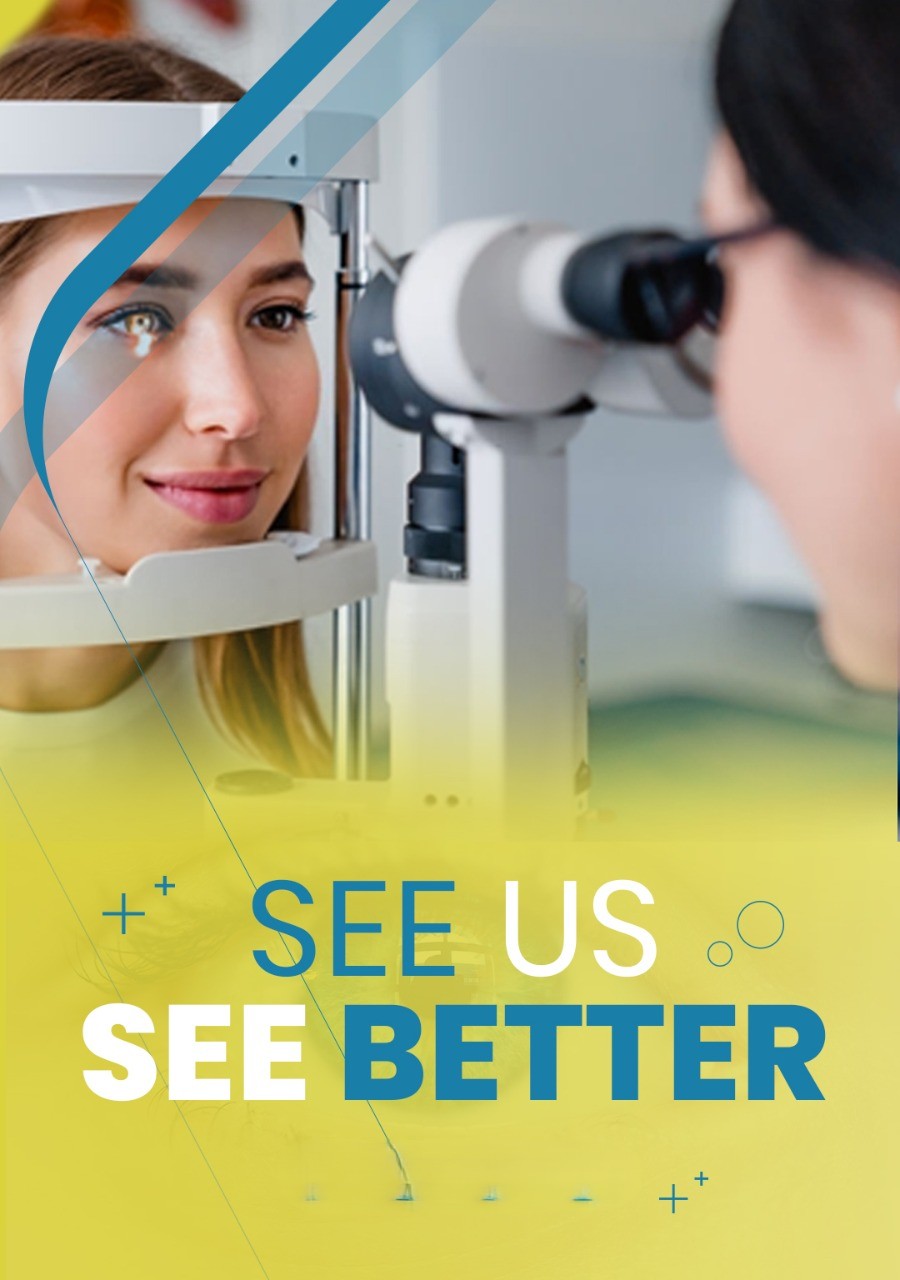
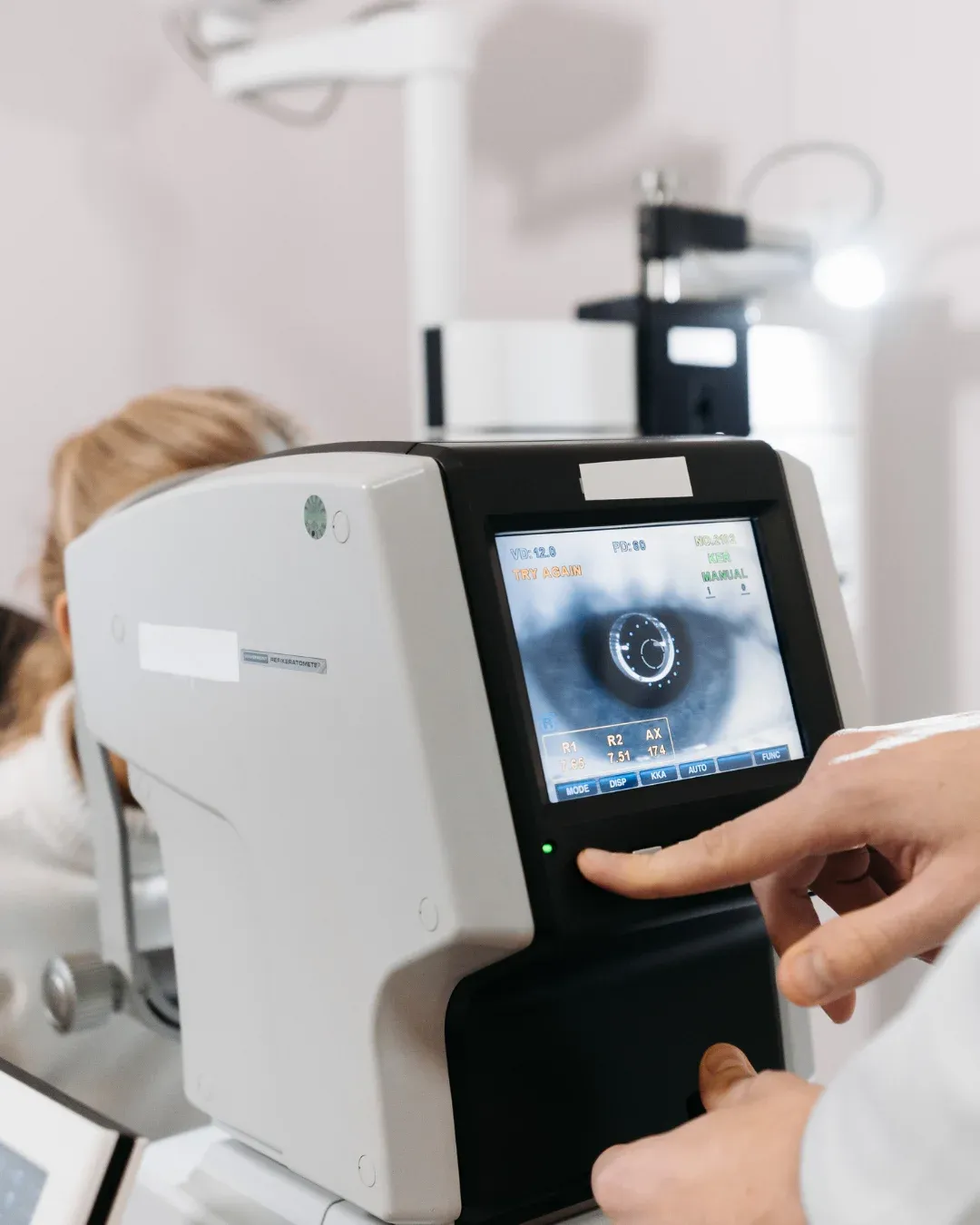
Benefits of Consulting an Ophthalmologist

Consulting an Ophthalmologist is essential for maintaining healthy vision and preventing serious eye problems. Ophthalmologists are medical and surgical experts who can detect issues early, provide effective treatments, and guide you in protecting your eyesight for the long term. Regular visits offer more than just vision correction—they ensure your eyes remain healthy and functional throughout your life.

1. Early Detection of Eye Diseases

Ophthalmologists can identify conditions like glaucoma, cataracts, macular degeneration, and diabetic eye complications early, often before noticeable symptoms appear. Early detection allows timely treatment and better outcomes.

2. Comprehensive Vision Care

From routine eye exams to specialized tests, ophthalmologists provide complete care for your vision. They can prescribe glasses or contact lenses while also managing medical or surgical needs.

3. Advanced Treatment Options

Ophthalmologists can offer both medical and surgical treatments for a wide range of eye problems, including corrective surgeries, laser therapy, and treatment for retinal or corneal issues.

4. Management of Chronic Health Conditions

Eye health is closely linked to overall health. Ophthalmologists help monitor and manage eye complications caused by diabetes, high blood pressure, or autoimmune diseases.

What Does an Ophthalmologist Do?

An Ophthalmologist provides complete medical and surgical care for the eyes. Their work covers everything from routine vision services to advanced treatments for complex eye conditions. While many people visit them for standard eye exams or updated prescriptions for glasses and contact lenses, the role of an ophthalmologist goes much deeper.

These eye specialists diagnose and treat diseases such as cataracts, glaucoma, macular degeneration, diabetic eye complications, and corneal disorders. They also manage injuries, infections, and age-related changes that affect vision. When surgery is required—such as cataract removal, LASIK, retinal repair, or eyelid procedures—ophthalmologists are the trained professionals who perform them safely.

Beyond treatment, ophthalmologists play an important role in prevention. They use advanced tests to detect early signs of eye disease before symptoms become severe, helping patients protect their vision long term. Many ophthalmologists also work closely with other medical specialists to manage conditions like diabetes or high blood pressure that can impact eye health.

In short, an ophthalmologist is not only an eye doctor but also a medical and surgical expert dedicated to preserving and restoring eyesight. Their wide range of skills makes them the right choice for anyone needing comprehensive eye care.

Ophthalmologist

Conditions Treated by an Ophthalmologist

An Ophthalmologist is trained to diagnose and manage a wide range of eye conditions, from common vision problems to complex medical and surgical issues. By visiting an ophthalmologist, patients can receive treatment for both minor and serious eye health concerns.

Cataracts: Clouding of the eye’s lens that affects vision, often treated with advanced surgery.

Glaucoma: A disease that damages the optic nerve, potentially causing vision loss, which requires ongoing monitoring and treatment.

Macular Degeneration: Age-related deterioration of the central part of the retina, affecting detailed vision.

Diabetic Eye Disease: Eye complications caused by diabetes, including diabetic retinopathy and vision loss.

Retinal Disorders: Conditions such as retinal detachment or tears that may require urgent surgical care.

Eye Injuries: Trauma to the eyes, including cuts, chemical burns, or foreign objects.

Dry Eye and Chronic Infections: Persistent irritation or infection that can impact comfort and vision.

Pediatric Eye Conditions: Crossed eyes, lazy eye, or congenital problems that require early intervention.

Ophthalmologist

Difference Between Ophthalmologist and Optometrist

Many people use the terms Ophthalmologist and Optometrist interchangeably, but they are not the same. Both professionals play an important role in eye care, yet their training, responsibilities, and services differ. Understanding this difference helps patients choose the right specialist for their needs.

An Ophthalmologist is a medical doctor (MD or DO) who completes medical school and advanced training in eye health. They are qualified to perform full eye exams, diagnose diseases, prescribe medicines, and carry out surgeries. From cataract removal and glaucoma treatment to managing eye injuries or retinal conditions, ophthalmologists provide complete medical and surgical care.

An Optometrist, on the other hand, is not a medical doctor. They earn a Doctor of Optometry (OD) degree after specialized training. Optometrists focus mainly on vision care, including eye exams, prescribing glasses or contact lenses, and detecting early signs of common eye issues. However, they do not perform surgeries. If they find a serious condition, they refer patients to an ophthalmologist for advanced treatment.

New York offers a wide range of dental services, from general dentistry to specialized services such as orthodontics, periodontics, and oral surgery. General dentistry services include routine dental exams, cleanings, fillings, and extractions.

How to Choose the Right Ophthalmologist?

Finding the right Ophthalmologist is essential for maintaining healthy vision and receiving the best eye care. The right specialist can help diagnose issues early, provide effective treatments, and guide you in preventing future eye problems. Here are key tips to consider when choosing an ophthalmologist:

1. Check Qualifications and Experience

Ensure your ophthalmologist is a licensed medical doctor with proper training and certifications in eye care. Experienced ophthalmologists are more likely to handle complex cases and perform surgeries with confidence.

2. Consider Specialization

Some ophthalmologists focus on specific areas like pediatric eye care, retina disorders, or glaucoma treatment. Choose a specialist whose expertise matches your eye care needs.

3. Look for Patient Reviews and Recommendations

Ask family, friends, or your primary doctor for recommendations. Online reviews and patient feedback can also give insight into the ophthalmologist’s professionalism and quality of care.

4. Evaluate Communication Skills

A good ophthalmologist should explain eye conditions and treatment options clearly, answer your questions, and make you feel comfortable during visits.

5. Accessibility and Convenience

Consider the location, clinic hours, and ease of appointment scheduling. Choosing an ophthalmologist you can reach easily ensures regular checkups and timely care.

6. Insurance and Costs

Check whether the ophthalmologist accepts your insurance and understand the costs of treatments or procedures. Transparent pricing helps avoid surprises later.

Conclusion:

Choosing the right ophthalmologist can make a significant difference in your eye health. By considering qualifications, experience, specialization, and patient care, you can find an expert who will help protect and improve your vision for years to come.

When Should You Visit an Ophthalmologist?

Knowing when to visit an ophthalmologist is important for protecting your vision and overall eye health. Ophthalmologists are medical experts who handle both routine eye care and complex conditions that require specialized treatment or surgery. Visiting them at the right time can prevent serious eye problems and maintain clear, healthy vision.

Signs You Should See an Ophthalmologist:

Sudden Changes in Vision

– If you experience blurred vision, double vision, or a sudden loss of sight, an ophthalmologist can quickly identify the cause and provide proper treatment.

Eye Pain or Discomfort

– Persistent eye pain, redness, or irritation may indicate infection, inflammation, or other conditions needing medical attention.

Chronic Conditions Affecting the Eyes

– People with diabetes, high blood pressure, or autoimmune disorders should see an ophthalmologist regularly, as these conditions can lead to serious eye complications.

Eye Injuries or Trauma

– Any injury to the eye, such as scratches, chemical exposure, or blunt trauma, should be evaluated immediately by an ophthalmologist.

Need for Eye Surgery

– If you require cataract removal, LASIK, glaucoma surgery, or eyelid correction, an ophthalmologist is the specialist trained to perform these procedures safely.

Routine Eye Exams for Prevention

– Even without symptoms, regular checkups with an ophthalmologist can detect early signs of disease, keeping your eyes healthy for years.

Visiting an ophthalmologist at the right time ensures that your vision is monitored, potential problems are treated early, and long-term eye health is preserved.

FAQs About Ophthalmologist

What is an ophthalmologist?

An ophthalmologist is a medical doctor who specializes in eye and vision care. They diagnose and treat eye diseases, perform eye surgery, and prescribe glasses or contact lenses. Ophthalmologists provide complete medical and surgical care for eye health and long-term vision protection.


When should I see an ophthalmologist?

Visit an ophthalmologist if you have blurred vision, eye pain, sudden vision changes, or chronic conditions like diabetes. Regular checkups help detect problems early and keep your eyes healthy. If you need surgery or treatment for eye diseases, an ophthalmologist is the right specialist.


What conditions does an ophthalmologist treat?

Ophthalmologists treat many eye conditions including cataracts, glaucoma, macular degeneration, diabetic eye disease, dry eye, infections, and injuries. They also handle surgical needs like LASIK and cataract removal. Their medical training allows them to diagnose and treat both common and complex vision problems.


Can an ophthalmologist perform surgery?

Yes, ophthalmologists are fully trained to perform eye surgeries. Common procedures include cataract removal, LASIK, retinal repair, and glaucoma treatment. Their surgical expertise ensures safe and effective results for patients dealing with serious eye conditions or vision correction needs.


What is the difference between an ophthalmologist and an optometrist?

An ophthalmologist is a medical doctor who can diagnose diseases and perform eye surgery. An optometrist provides vision care, like eye exams and prescribing glasses. For complex issues or surgery, you’ll need an ophthalmologist. Both work together to support full eye health.


How often should I visit an ophthalmologist?

Most adults should visit an ophthalmologist every 1–2 years, especially if they have vision problems, wear glasses, or have health conditions like diabetes. Regular exams help detect eye diseases early and keep your vision clear and healthy for life.


Can an ophthalmologist detect diseases early?

Yes, ophthalmologists use advanced tools to detect early signs of eye diseases like glaucoma, cataracts, or diabetic retinopathy—often before symptoms appear. Early diagnosis helps prevent vision loss and supports long-term eye health with timely treatment and expert care.


Are eye exams by ophthalmologists covered by insurance?

Many insurance plans cover medical eye exams performed by ophthalmologists, especially if they involve disease diagnosis or treatment. Routine vision checks may vary based on your provider. It’s best to check with your insurance company to confirm coverage before your appointment.


Do ophthalmologists prescribe glasses or contacts?

Yes, ophthalmologists can prescribe eyeglasses and contact lenses after a full eye exam. They also check for eye diseases and overall eye health during your visit, offering both vision correction and medical expertise in one comprehensive appointment.


Can children see an ophthalmologist?

Yes, children with vision problems, crossed eyes, lazy eye, or other eye issues should see a pediatric ophthalmologist. Early diagnosis and treatment are important for healthy vision development. Regular eye exams help catch problems before they affect learning or development.


What tests does an ophthalmologist perform?

Ophthalmologists use tests like visual acuity, eye pressure measurement, retinal scans, and slit-lamp exams. These tests help diagnose eye conditions such as glaucoma, cataracts, or macular degeneration, allowing for accurate treatment and early detection of vision-threatening diseases.


Can an ophthalmologist help with dry eyes?

Yes, ophthalmologists diagnose and treat dry eye syndrome using eye drops, medications, or in-office procedures. They can identify the cause of dryness—such as allergies or screen time—and recommend solutions to relieve discomfort and improve your eye moisture and clarity.


Is LASIK surgery done by ophthalmologists?

Yes, LASIK surgery is performed by specialized ophthalmologists trained in vision correction procedures. They use lasers to reshape the cornea and reduce dependence on glasses or contact lenses. A thorough eye exam determines if you’re a good candidate for LASIK.


What causes sudden vision loss?

Sudden vision loss can be caused by conditions like retinal detachment, stroke, or optic nerve damage. It’s a medical emergency. If you experience sudden loss of vision, see an ophthalmologist immediately for diagnosis and treatment to prevent permanent damage.


Can eye health reveal other medical conditions?

Yes, ophthalmologists can detect signs of health issues like diabetes, high blood pressure, and autoimmune diseases through an eye exam. The eyes often reflect changes in overall health, making regular visits important for early detection of serious health problems.